







Science and Development Network
News, views and information about science, technology and the developing world
Soybean cultivation in Mato Grasso causes biodiversity loss
Flickr/bbcworldservice
The future of tropical biodiversity depends on understanding the role human consumption plays in altering ecosystems, says Scott A. Mori, curator of botany at The New York Botanical Garden.
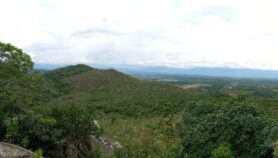
Humans' use of tropical forests typically results in loss of biodiversity, he explains. The mass conversion of forests to soybean plantations in Mato Grosso, Brazil, is an extreme example. Soybean cultivation entirely displaces the plants and animals living in the forest, and any remaining trees do not effectively reproduce.
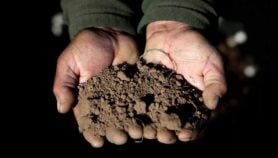
Mato Grosso has fertile soils — but many other tropical forests grow on nutrient-poor soils that cannot support large populations without massive inputs of fertilisers and pesticides, says Mori. Does conversion in this case justify the loss of ecosystem services, including biodiversity?
Part of the problem is globalisation, says Mori. Developments around the world can negatively impact tropical forests — the growing Chinese market and the United States' move from soybean to biofuel production are driving increasing demand for Brazilian soybeans.
Mori argues that the world must share the cost of tropical exploitation — large-scale resource users must consider their global impact, and tropical product consumers should pay a premium to help protect forest ecosystem services.
Add your comment
All comments are subject to approval and we reserve the right to edit comments containing inappropriate/unsuitable language. SciDev.Net holds copyright for all material posted on the website. Please see terms of use for further details.
You need to be signed in to post a comment or to email a consenting comment author. Please sign in or sign up.